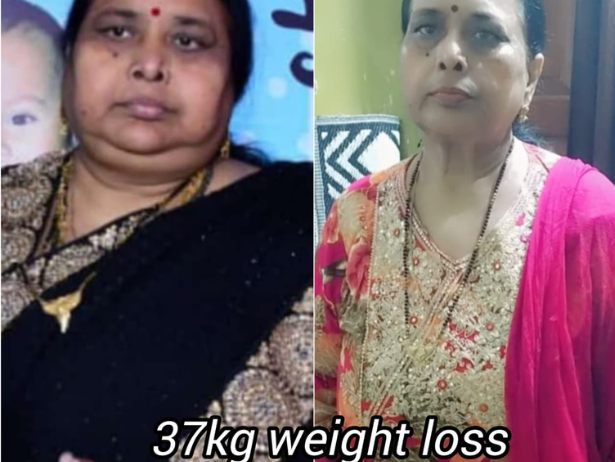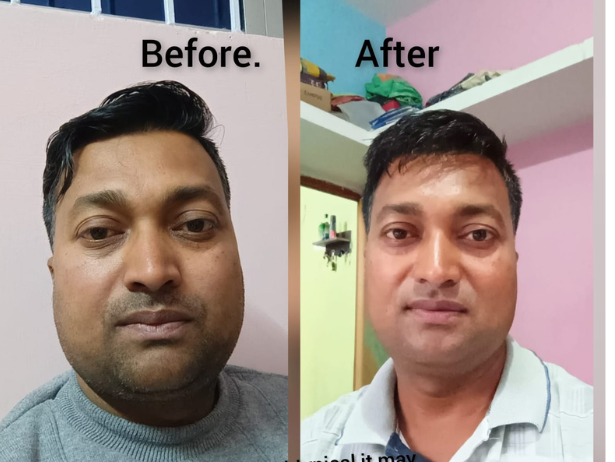
Losing weight is a common goal for many people, but getting started can sometimes feel confusing. With so many diets, workout plans, and weight loss tips available online, it is difficult to know what actually works. Some people try skipping meals, while others follow strict diets that are hard to maintain.
The truth is that healthy weight loss does not require extreme changes. Small improvements in your daily routine, eating habits, physical activity, and sleep can make a real difference over time.
If you want to lose weight naturally and maintain your results, this guide will help you understand the basics and build healthier habits.
1. Start with a Balanced Diet
Your eating habits play an important role in weight management. Instead of completely avoiding your favourite foods, focus on eating balanced meals that provide your body with the nutrients it needs.
Include vegetables, fruits, whole grains, protein-rich foods, and healthy fats in your daily diet. Foods such as lentils, eggs, beans, curd, oats, and seasonal vegetables can help you feel satisfied for longer.
Try to reduce your intake of sugary drinks, highly processed snacks, and foods that are high in calories but low in nutrients.
You do not need to follow an expensive diet plan to lose weight. Simple, homemade meals can be a practical and affordable choice.
2. Control Your Portion Sizes
Even healthy foods can contribute to weight gain when you regularly eat more energy than your body needs. This is why portion sizes matter.
Start by serving yourself a reasonable amount of food and eating slowly. Pay attention to your hunger and fullness signals instead of eating automatically.
A simple way to build a balanced meal is to fill about half your plate with vegetables, one-quarter with protein-rich foods, and one-quarter with whole grains or other carbohydrate sources.
Avoid skipping meals just to compensate for eating more earlier in the day. Consistent, balanced eating habits are generally easier to maintain.
3. Stay Physically Active Every Day
Exercise can support weight loss, improve fitness, and help you maintain your health. You do not necessarily need a gym membership or expensive equipment to get started.
Walking is one of the simplest activities for beginners. Start with a duration that feels comfortable and gradually increase it as your fitness improves.
You can also try cycling, swimming, dancing, yoga, or home workouts. Choose activities you enjoy because you are more likely to continue doing them.
Strength training is also useful because it helps maintain muscle while losing weight. Even two sessions per week can be a good starting point for many adults.
Remember that consistency matters more than doing intense workouts for only a few days.
4. Drink Enough Water
Staying hydrated supports normal body functions and can help you manage your daily routine. Sometimes, people also confuse thirst with hunger.
Keep water available throughout the day and drink regularly, especially during hot weather or physical activity.
Replacing sugary drinks with water can also reduce your calorie intake. However, drinking extra water alone will not burn body fat or guarantee weight loss.
Your hydration needs depend on your activity level, climate, diet, and health. Focus on drinking enough rather than forcing yourself to consume excessive amounts.
5. Get Enough Sleep
Sleep is often overlooked when people focus on losing weight. However, poor sleep can affect hunger, appetite, energy levels, and your ability to stay active.
Most adults should aim for around seven to nine hours of sleep each night.
Try to maintain a regular bedtime, reduce screen time before sleeping, and keep your bedroom comfortable and quiet.
When you sleep well, it can become easier to manage cravings, make balanced food choices, and maintain your exercise routine.
6. Reduce Stress and Emotional Eating
Stress can influence eating habits. Some people eat more when they feel anxious, bored, or emotionally overwhelmed, while others may skip meals.
If you notice a connection between your emotions and eating habits, try to identify the situations that trigger it.
Taking a short walk, practising deep breathing, talking to someone you trust, or spending time on a relaxing activity may help.
You do not have to eliminate every stressful situation to make progress. The goal is to develop healthier ways to respond to stress without relying entirely on food for comfort.
7. Set Realistic Weight Loss Goals
One of the biggest mistakes beginners make is expecting quick results. Extreme diets and unrealistic targets can lead to frustration and make it difficult to maintain progress.
Instead, focus on gradual weight loss and sustainable habits. For many adults who are overweight, losing around 0.5 to 1 kilogram per week is considered a gradual pace, although individual results vary.
Your weight may also fluctuate because of water retention, digestion, hormonal changes, and other factors.
Rather than checking the weighing scale several times a day, look at your progress over several weeks. You can also track improvements in energy, fitness, sleep, and how comfortably your clothes fit.
8. Avoid Crash Diets and Weight Loss Shortcuts
Crash diets often promise dramatic results in a short period. However, they can be difficult to follow and may lead to muscle loss, nutritional deficiencies, fatigue, or weight regain.
Similarly, detox drinks, slimming teas, and unverified weight loss supplements should not be treated as guaranteed solutions.
You do not need to starve yourself, completely eliminate carbohydrates, or exercise excessively to achieve healthy results.
If you have a medical condition, take regular medication, are pregnant or breastfeeding, or have a history of disordered eating, consult a qualified healthcare professional before making major dietary changes.
9. Build a Simple Daily Routine
A realistic routine can make healthy habits easier to follow. You do not need to change everything at once.
Here is an example of a simple daily routine:
- Morning: Start your day with water and a balanced breakfast.
- Breakfast: Include protein and fibre, such as eggs with whole-grain toast or oats with curd.
- Lunch: Eat a balanced meal with vegetables, dal, roti or rice, and another suitable protein source.
- Afternoon: Take a short walk and choose fruit, curd, or another satisfying snack if you are hungry.
- Evening: Do some physical activity, such as walking or a beginner-friendly workout.
- Dinner: Enjoy a balanced meal that suits your appetite and nutritional needs.
- Night: Follow a relaxing bedtime routine and get enough sleep.
Adjust this routine to your schedule, food preferences, and individual needs. There is no single meal timing or daily routine that works for everyone.
10. Stay Consistent and Be Patient
Healthy weight loss is a process, not a competition. Some weeks you may notice changes, while other weeks your weight may remain the same.
Instead of giving up after one unhealthy meal or a missed workout, return to your usual routine at the next opportunity.
Focus on progress rather than perfection. Small actions, such as walking more, eating balanced meals, drinking water, and sleeping well, can add up over time.
You should also remember that body weight is influenced by several factors, including genetics, medications, hormones, and certain health conditions. If your progress is unexpectedly difficult or you experience concerning symptoms, a healthcare professional can help identify possible causes.
Conclusion
Losing weight naturally is about creating a healthier lifestyle that you can maintain in the long term. A balanced diet, regular physical activity, adequate sleep, stress management, and realistic goals can all support your efforts.
Avoid quick fixes and focus on habits that fit comfortably into your daily life. You do not have to make every change today. Start with one or two manageable steps and build from there.
With patience, consistency, and the right approach, you can work towards a healthier weight while supporting your overall well-being.